Indoor Cat Enrichment: DIY Toys, Play Routines & Home Tips
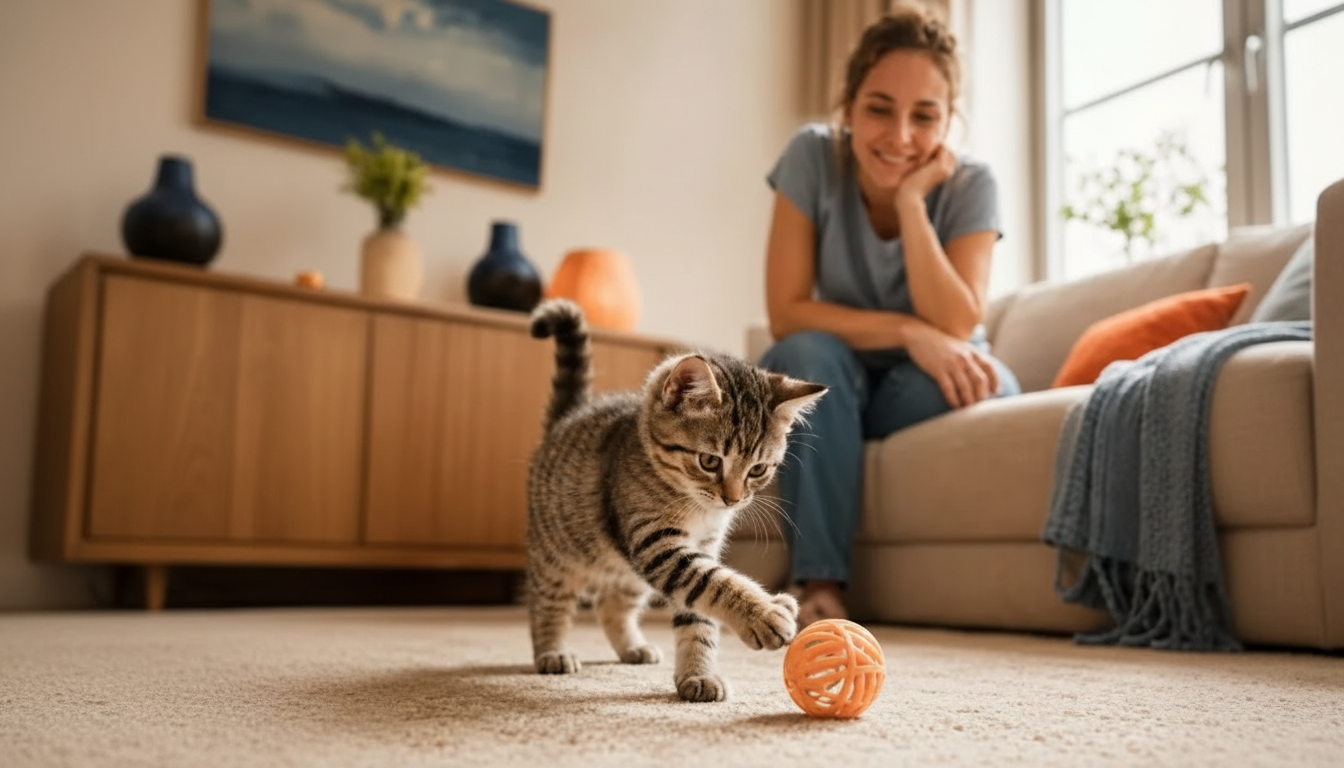
Enrichment Ideas for Indoor Cats: DIY Toys, Play Routines, and a Cat-Friendly Home
Indoor cats thrive when their day includes hunting-style play, problem-solving, climbing, and calm rest. When those needs are met consistently, boredom behaviors like overgrooming, nighttime zoomies, and scratching the wrong places tend to fade into the background. Below are practical enrichment ideas you can repeat week after week: quick DIY activities, simple play routines, and easy home tweaks that make an indoor space feel “cat complete.”
What “enrichment” means for an indoor cat
Enrichment isn’t about keeping a cat busy every minute. It’s about meeting core needs in ways that feel natural: hunt, climb, scratch, explore, and choose quiet safe spaces. A well-enriched home offers both action and decompression, so your cat can rev up and then truly settle.
- Meet the basics: daily hunting-style play, vertical options, scratch zones, and cozy hideaways.
- Balance novelty and calm: introducing too many new toys or changes at once can increase stress, especially for cautious cats.
- Watch for progress: relaxed body language, more predictable sleep, fewer “attention-seeking” stunts, and less destructive scratching.
- Rotate, don’t overload: keep a small set of options out, then swap weekly to keep things interesting without clutter.
For additional cat-friendly environment guidance, the American Association of Feline Practitioners (AAFP) offers excellent, practical resources.
A simple daily play routine that actually sticks
Consistency beats intensity. Two or three short sessions (5–10 minutes each) often work better than one long play marathon. Think “mini hunts” spread through the day.
- Follow a hunt sequence: stalk → chase → pounce → catch → “eat” (offer a small treat or meal portion after play).
- End on a win: stop while interest is still high to reduce frustration (which can lead to biting or swatting).
- Change the pattern: ground skitters, vertical hops, slow sneaks, and quick escapes keep play feeling lifelike.
- Adjust for shy or older cats: slower wand movements, longer pauses, and shorter sessions can be more inviting.
Sample indoor cat enrichment schedule (weekdays)
| Time | Activity | Goal | Low-effort option |
|---|---|---|---|
| Morning | 5–8 min wand toy play + breakfast portion | Burn energy, complete hunt cycle | Toss 10–15 kibble pieces down a hallway |
| Midday | Foraging/puzzle feeding | Mental work, reduce boredom | Kibble in a muffin tin or cardboard egg carton |
| Late afternoon | Window/perch time + short clicker trick | Safe observation, confidence | Target-touch practice for 2 minutes |
| Evening | 8–10 min play session + main meal portion | Prevent nighttime zoomies | Laser pointer followed by a tangible toy and food |
| Before bed | Calm grooming or slow petting in a safe spot | Downshift to rest | Treat scatter on a snuffle mat |
DIY enrichment toys from household items
DIY toys work best when they’re simple, safe, and used in short, supervised bursts (especially if your cat is a shredder).
- Paper “prey” balls: crumple paper or brown packing paper; toss, bat, and hide in shallow boxes.
- Box maze: connect two boxes with a cut “door,” then add paper strips for rustly exploration.
- Treat dispenser tube: a paper towel roll with folded ends and a few kibble pieces inside (supervise if cardboard gets chewed).
- Sock “kicker” toy: stuff an old sock with fabric scraps and tie securely; skip strings that can unravel.
- Bottle cap chase: only if large enough not to swallow; use on a hard floor for short, monitored play.
- Refresh the “new toy” feeling: store DIY items in a sealed container with catnip or silvervine between rotations.
If you want a ready-to-print rotation plan and checklists, Enrichment Ideas for Indoor Cats | Printable Cat Enrichment Guide | DIY Toys, Play Routines, and Cat-Friendly Home Tips makes it easy to stay consistent without reinventing your routine every week.
Food puzzles and foraging games (low cost, high impact)
Foraging turns “eating” into a job—one that uses your cat’s brain and body. Many cats become noticeably calmer when part of their daily calories come from searching and problem-solving.
- Make meals into micro-hunts: place small portions on shelves, a cat tree platform, or in separate rooms.
- Start easy, then level up: treat scatter → open bowl puzzles → slow feeder → simple dispenser → multi-step puzzle.
- Prevent conflict in multi-cat homes: use separate stations to reduce guarding and stress.
- Watch the calories: enrichment feeding should replace part of meals, not add extra.
The ASPCA enrichment guidance is a helpful reference for keeping enrichment safe, varied, and sustainable.
Home setup: vertical space, scratching zones, and safe hiding spots
For deeper behavior and wellbeing information, the Cornell Feline Health Center is a trusted resource.
Enrichment for different personalities (shy, high-energy, senior, solo)
Common enrichment mistakes and quick fixes
Printable support: a ready-to-use enrichment plan
For a structured, printable approach, see Printable Cat Enrichment Guide with DIY toys and play routines. To keep your supplies organized between rotations, consider repurposing a compartment-style organizer like Car Trunk Organizer “Hexy” by Owleys for wands, kicker toys, puzzle parts, and treat bags. If you prefer a grab-and-go setup for scheduled play sessions or travel days, Nike Men’s Blue Rucksack Backpack can hold clickers, treats, and a few lightweight toys.
FAQ
How much play does an indoor cat need each day?
Most cats do best with 2–3 short hunt-style sessions (about 5–10 minutes each) plus independent options like foraging or window time. Adjust based on age, health, and energy level.
What are safe DIY enrichment toys for cats?
Cardboard boxes/mazes, paper balls, supervised treat tubes, and fabric “kicker” toys are usually safe choices. Avoid loose strings, small swallowable parts, and brittle plastic that can crack into sharp edges.
How can nighttime zoomies be reduced?
Add an evening play session that ends with a small meal, and keep bedtime cues consistent (lights, calm petting, quiet space). Daytime outlets like puzzle feeding and short play breaks also help prevent energy from building up for midnight.










Leave a comment